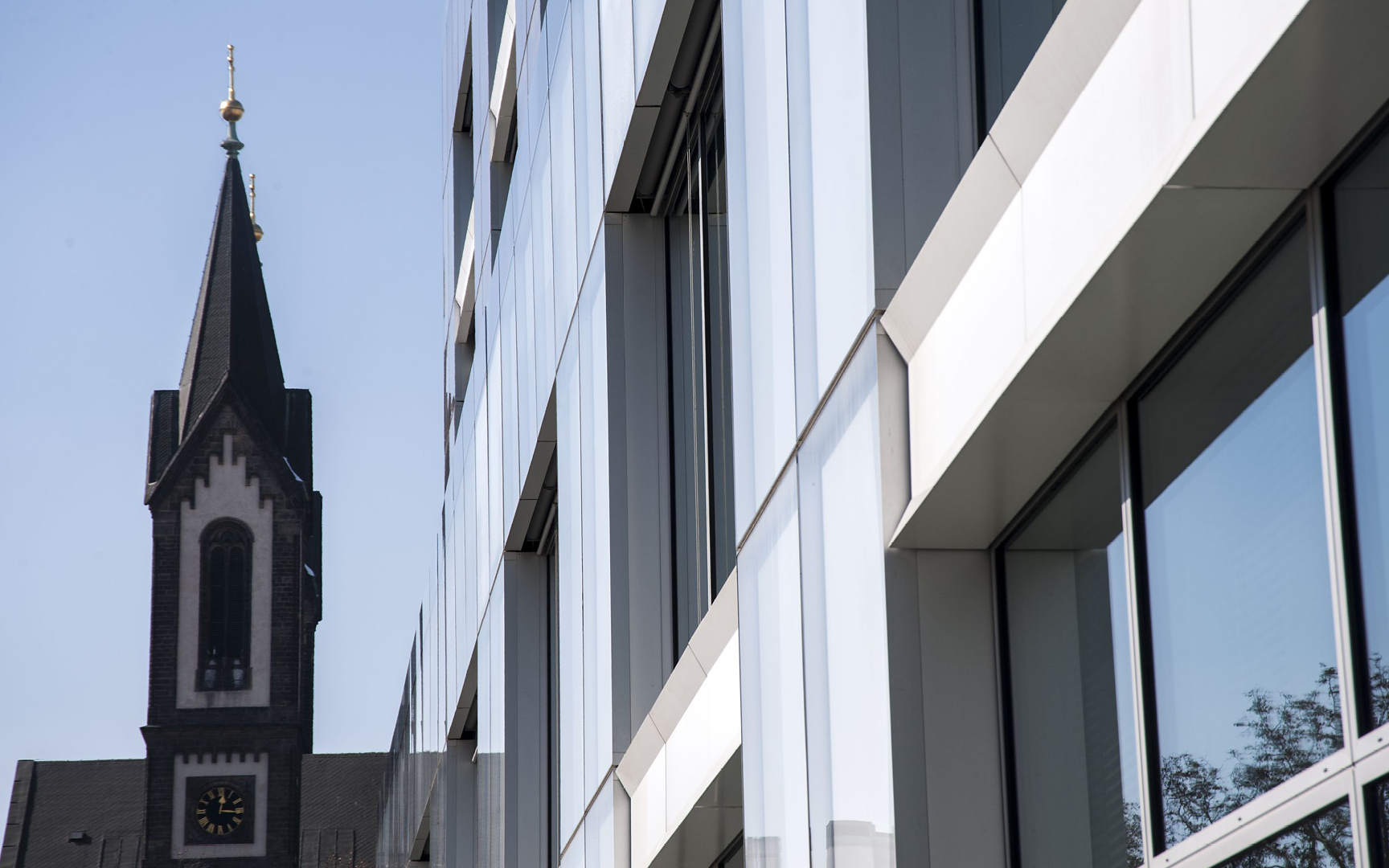
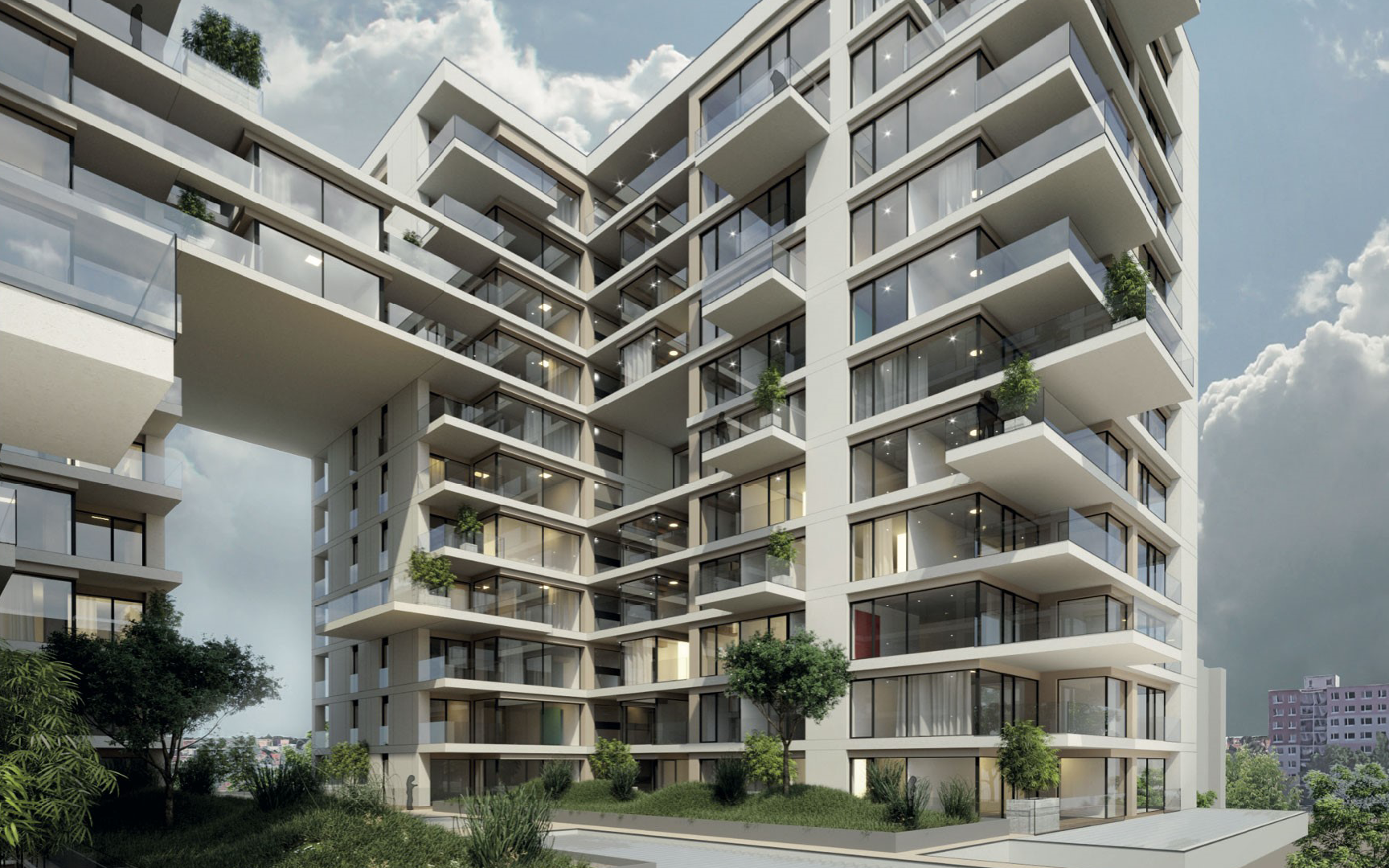
Reconstruction of housing blocks has a perspective

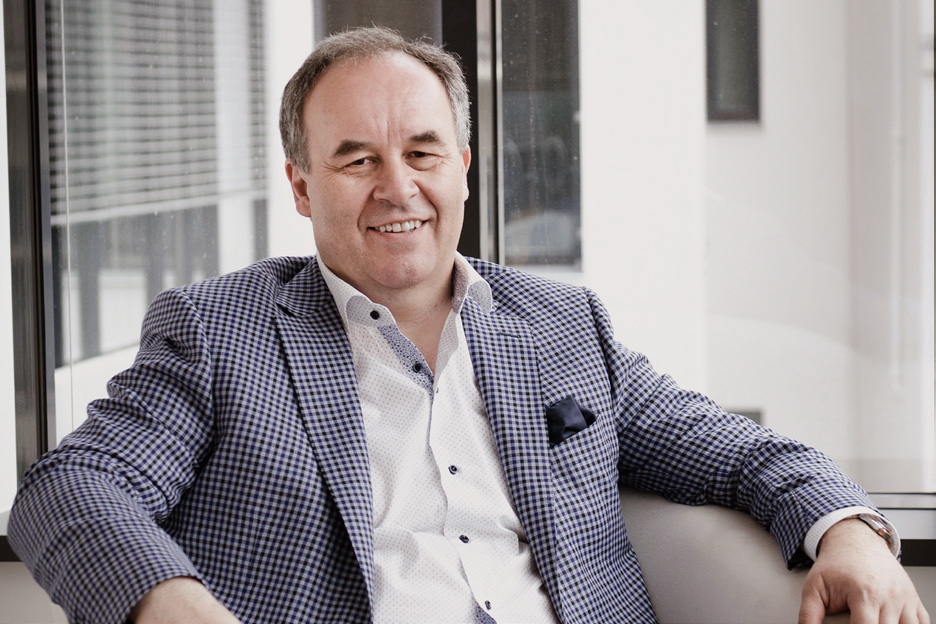
We were talking with Milorad Miškovič about his current work.

What projects do you currently attend to at Karlin Port?

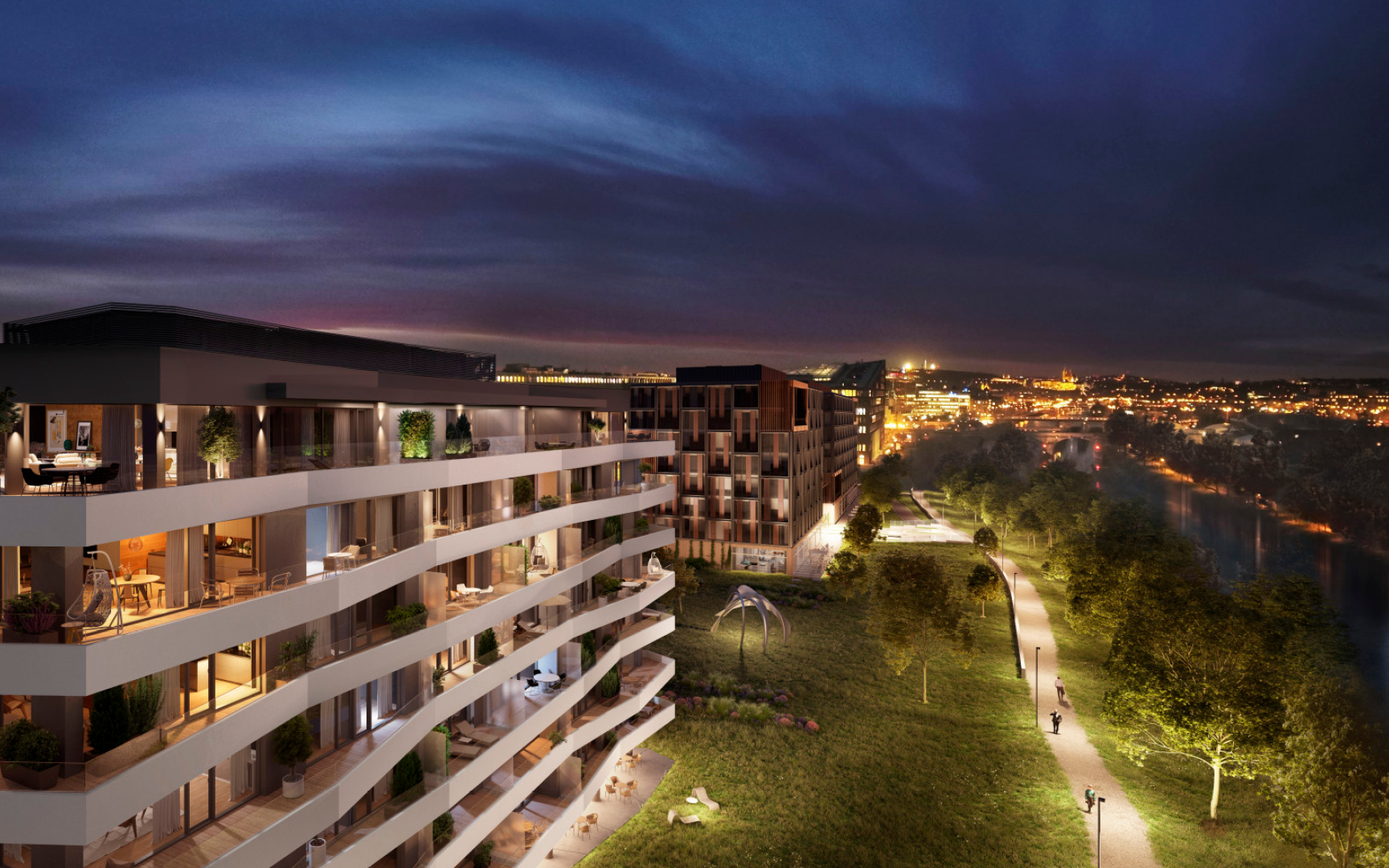
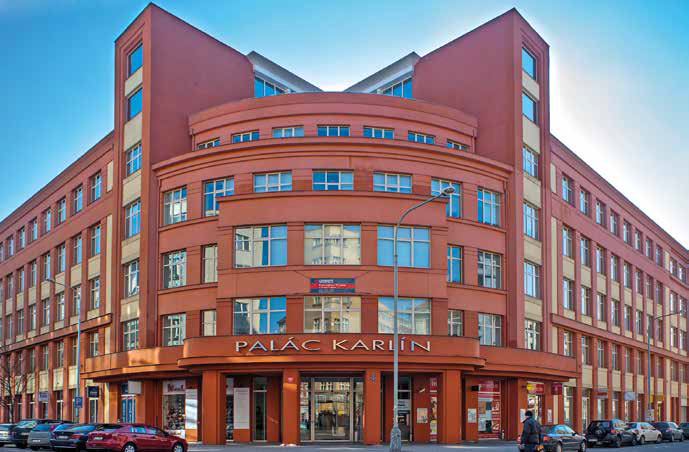
We are working on the project Mánesova 78 in Vinohrady, which is the reconstruction of an extensive historical corner housing block which we purchased this May. It is an excellent residential location situated on the corner of Mánesova and U Kanálky Streets. The building is atypical for its size having an area of 3,200 sq m. Following reconstruction, which will be completed by the end of 2019, there will be 32 residential units of a high standard and two non-residential. As for quality, the construction will meet the maximum of that which people expect from a reconstructed historical building in Prague’s centre. The size of the apartments will range from 35 to 150 sq m. We are starting sales in September 2018.

Will you offer parking places with the apartments?

As we bought the Mánesova 78 project with a building per-mit and with regards to the lengthy processes associated with building proceedings in Prague, creation of parking places is technicaly impossible, therefore we decided not to lose any time with changes and an application for a new building permit. That would involve a six-month or perhaps even a one year delay. And who knows what Prague’s market with apartments will be like two and a half years on. Not even experienced developers such as ourselves can answer that.

Is this project somehow really interesting?

For myself, I see the Mánesova 78 project as a ground-breaker as it is, after 23 years of my working in the real estate market in Prague, for the very first time that we decided to reconstruct a housing block. It is basically a result of what is happening with the Metropolitan Plan. All other projects that we take part in or own – whether they are industrial buildings or land – have basically been put to rest as the time that is necessary for dealing with all necessary permits is much longer that it was before 2008 and 2014. We would certainly prefer constructing new buildings whereby we could utilize new materials, processes and architectural solutions. When it comes to reconstruction, we are restricted from the point of view of volume as well as from the architecture and mainly by the herritage department requirements. Nevertheless, we are happy to have work before dealing with permits for larger projects for brownfields and greenfields. I think that the reconstruction of old housing blocks is becoming an interesting segment for medium and larger size development companies even though they offer relatively small volumes.

Does it mean you consider the reconstruction of housing blocks to be perspective?

Certainly. We have even found a co-investor for that pur-pose and founded the company The Prague Collection. The aim is to reconstruct the building and sell the residential units and at certain selected locations to lease them. It is a new segment of the market we are entering as an experienced developer. We are currently in negotiations relat-ing to the further acquisitions of two or three housing blocks in Prague 2. I would be pleased to be able to say at the end of the year that we had purchased at least one or two more.

What other projects are you working on?

We have managed to arrange funding for the first residential stage of The Oaks Prague project, which is a project by Russian investors and is situated outside the capital, in the location of Nebřenice. We are not participating in this project as a partner but as a consultant. It is the only project whereby we are currently operating in such a role. Our task is to secure funding for a relatively high volume of over EUR 80 million, which we, experienced developers, are able to do due to our experience from the development of Karlín. We proved that we can sell a project to the banks by a different developer who doesn’t have such experience and standing within our market. I should also say that it is a unique project which has no parallel in continental Europe – something similar may only be found in the USA and Russia. The first residential stage will be commenced this October so I suggest there will be further discussions relating to this project then.

What is this first stage to involve?

It will involve 71 family houses and apartments, which will be divided into two phases. The aim of the Russian investor and Czech-British management is to complete the project in seven years, which will depend on how the relatively conservative Prague market accepts such a specific and not exactly cheap project.

It is well-known that you also co-operate with YIT…

Yes, we do. In January 2017, we purchased the Cibulka project together. It is now called Aalto Cibulka and construction was commenced last September. The first stage comprises 252 apartments and the second will have ap-proximately 152 loft apartments.

You have so far mentioned three projects. Are there any others?

As an individual, I am participating in two large develop-ments – Rohanské Embankment and Smíchov Station (Rohan City a Smíchov City). The Sekyra Group team is cur-rently arranging all necessary permits. We presume that construction of Smíchov City, that is the location of Smíchov Station, will commence at the turn of the year. It will be a big step and also an important stage within the development of the central area of the capital. As for the project of Rohan City, I hope that the permit process might become finalized and construction of the first residential as well as commercial buildings commenced at the begin-ning of 2020. Both projects are, due to their extent, exceptionally significant for the city of Prague and are being monitored from all sides. Apart from the stated projects, we are also working on the acquisition of housing blocks, as I have mentioned, as well as on the acquisition of three large projects in Prague 6, 7 and 8. Moreover, with my partner in Karlin Port, Mr. Goldshtein, we co-operate very closely with the Chinese conglomerate CITIC, formerly known as CEFC, and are currently negotiating entering yet another large development area. It It will not be at the end a real estate fund, but ad hoc investments in other segments, for instance energy projects and production facilities.

– Development News
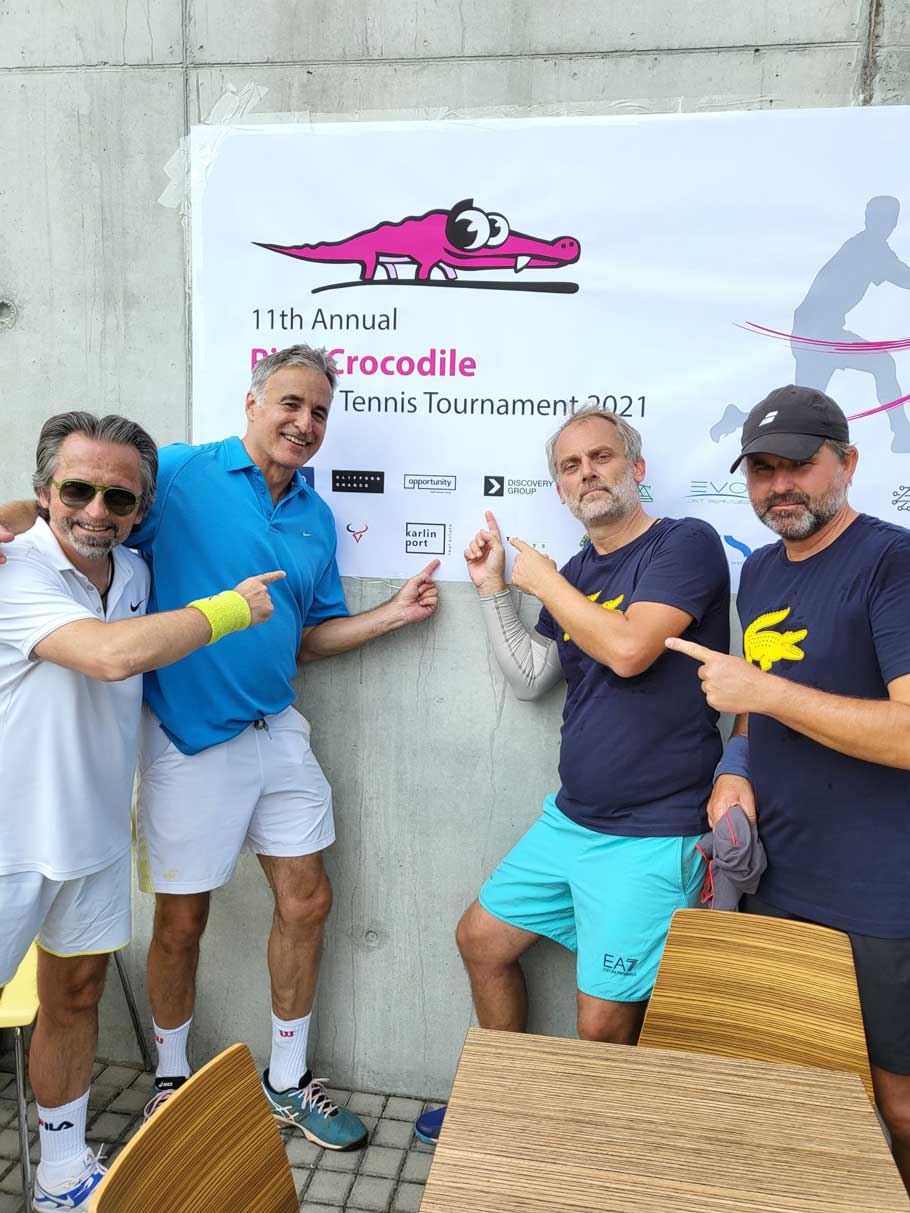
 

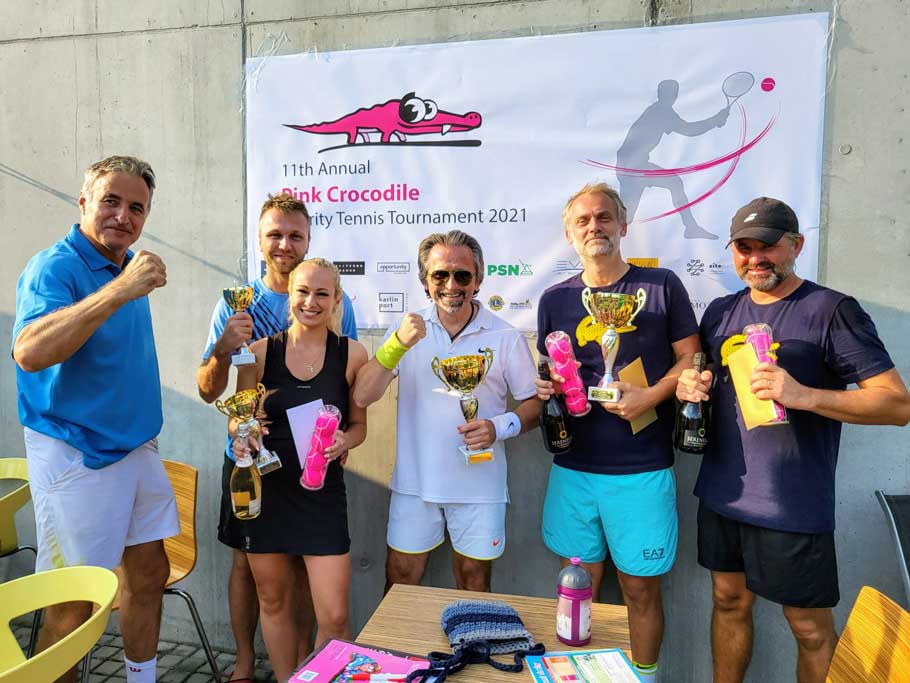
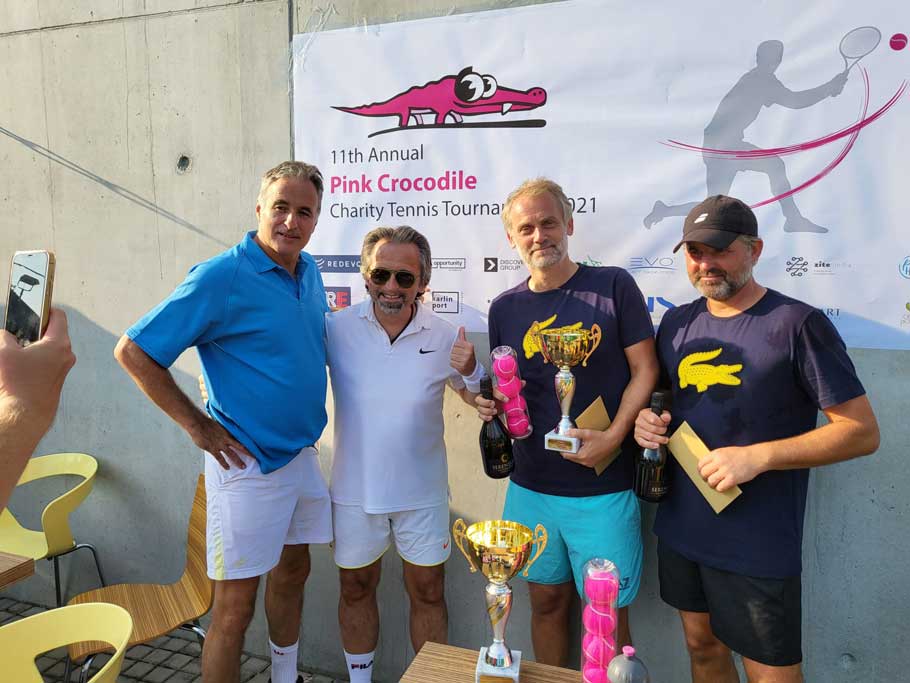
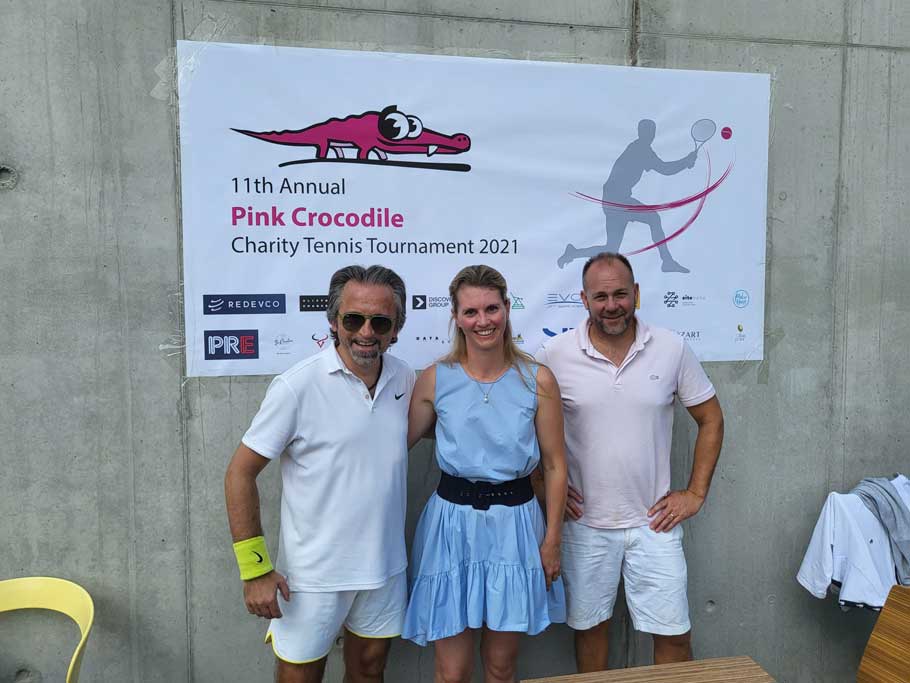
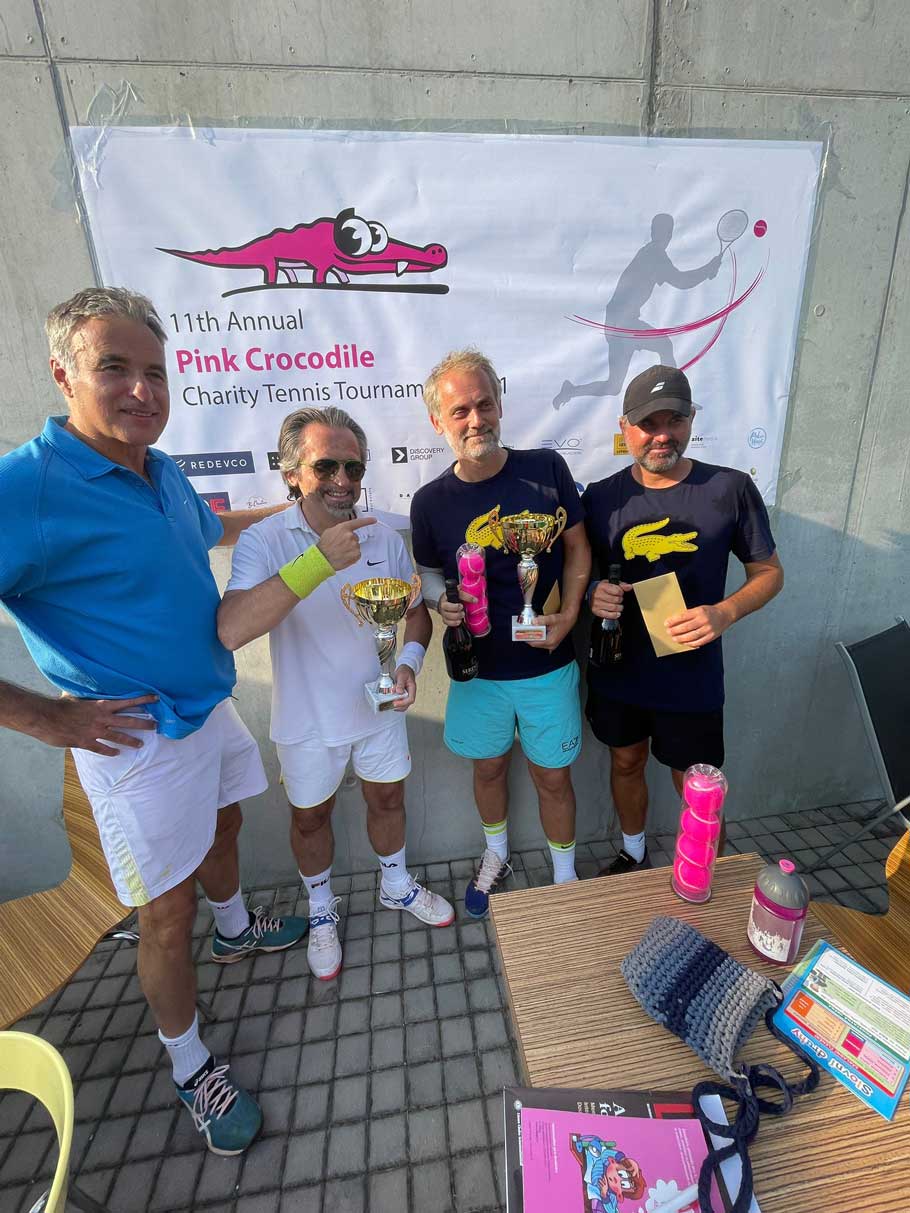
11th Annual Pink Crocodile Tennis Cup

8th Annual Pink Corocdile Tennis Cup

Happy Birthday!

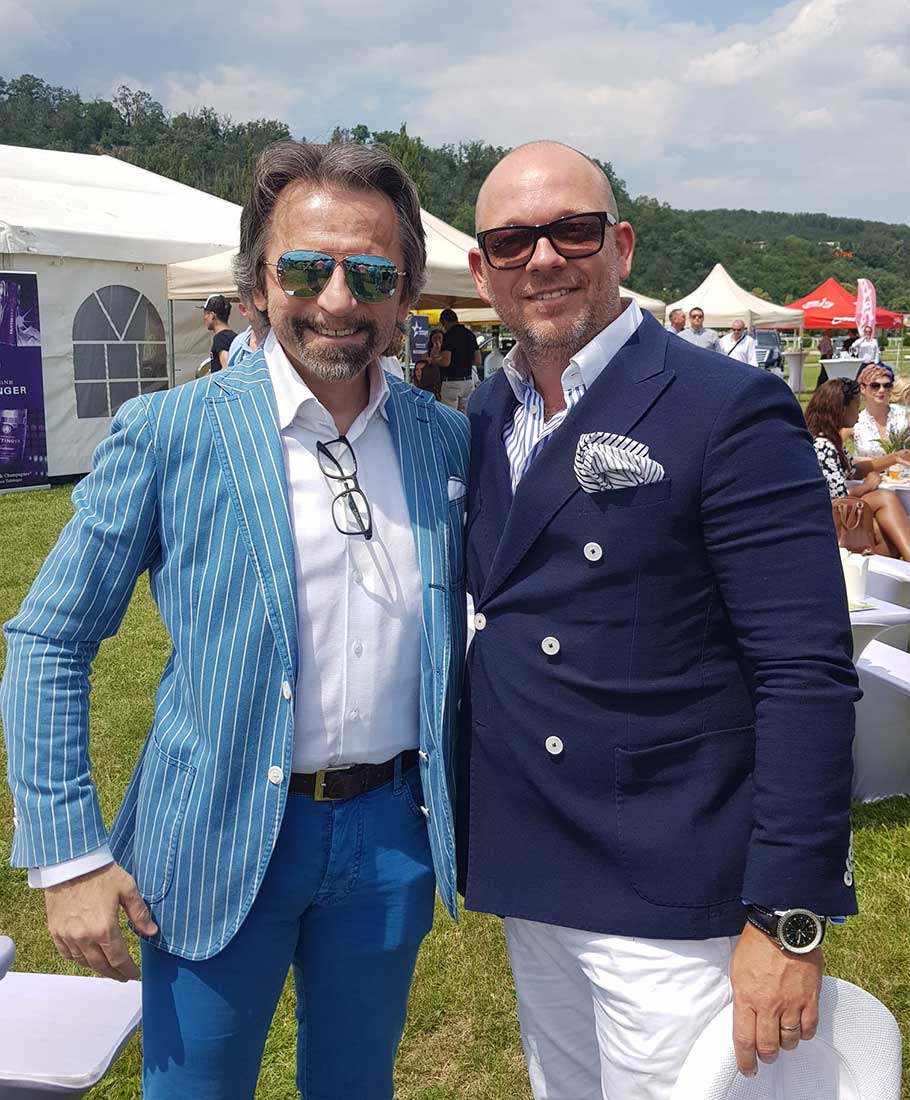
Prague Polo Cup 2018

Up to Belgrade (in Czech)

Letos v březnu jste založili podfond vašeho Opportunity Real Estate Fund. V září fond uskutečnil první investici. Do kterého projektu jste peníze investorů nasměrovali?

Do fondu Opportunity Real Estate Fund jsme koupili první developerský projekt. Nachází se v pražské Michli. Je to náš první bytový developerský projekt na území Prahy 4, takže jde o další expanzi Karlin Port Real Estate v rámci Prahy. Z pohledu fondu jde o zásadní milník. Dosud jsme do něj získávali peníze od investorů a nyní jsme spustili jeho investiční činnost.

Kolik bytů v projektu vznikne?

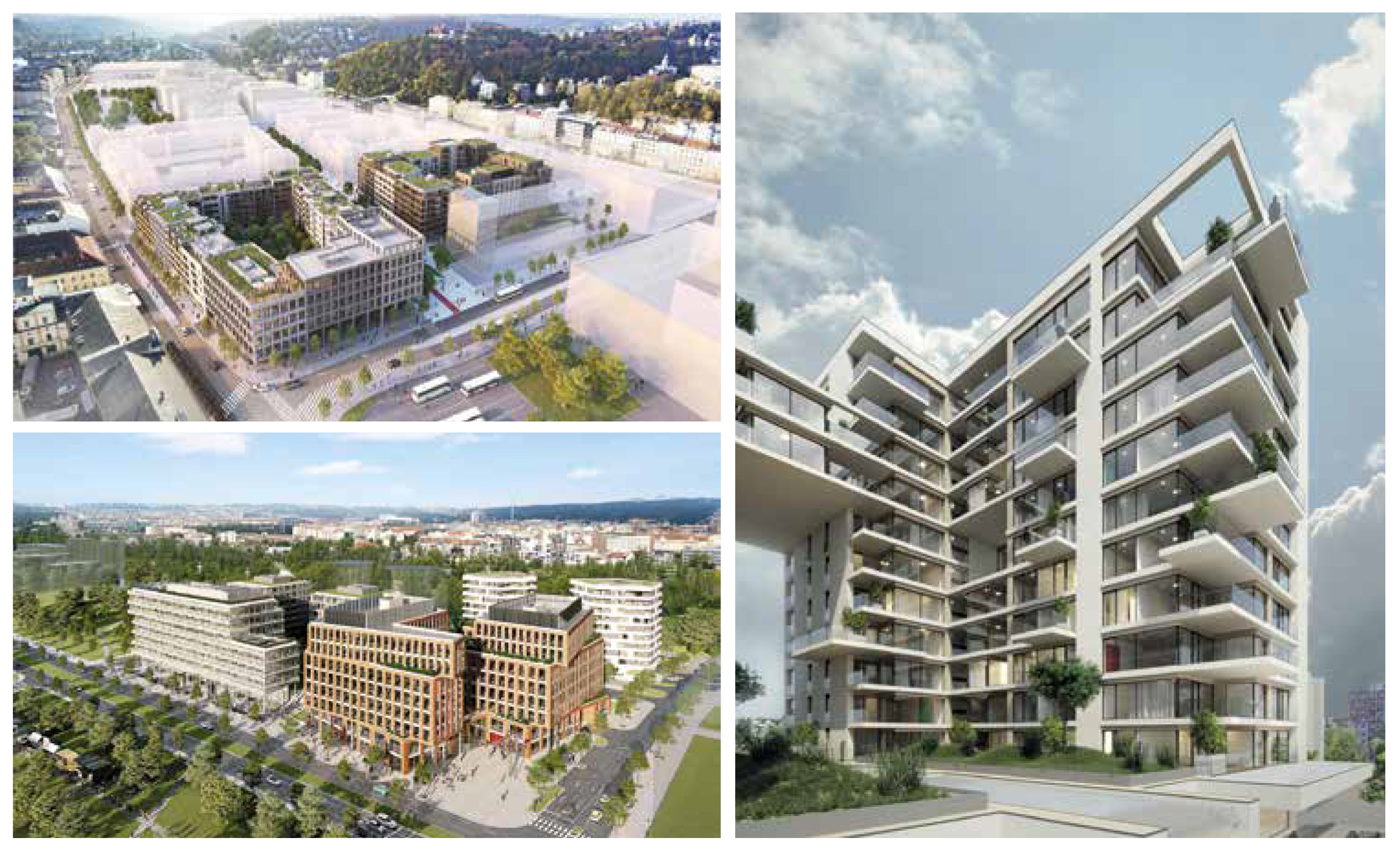
Plánujeme tam postavit padesát bytů. Projekt to bude zajímavý i tím, že půjde o relativně úzkou věž s jedenácti nebo dvanácti patry, což odpovídá výšce okolních budov.

Máte už v hledáčku další projekty, které byste do fondu chtěli koupit?

Exkluzivně nyní jednáme o dalších dvou projektech. Nechceme ale skončit jen u jednoho fondu. Nyní se bavíme s jednou investiční skupinou o založení nového investičního fondu. Ten by se lišil od Opportunity Real Estate Fund svým zaměřením. Opportunity Real Estate Fund je jeden z mála fondů v Česku, který se zaměřuje na development, takže na sebe bere mnohem větší riziko než fondy, které kupují jen výnosové nemovitosti. I proto ale můžeme investorům nabídnout vyšší výnos.

Na jaký segment se druhý fond zaměří?

Budeme kombinovat development a výnosové nemovitosti.

Takže budete kupovat nájemní projekty?

Nepůjde o rezidenční projekty, ale o jiné typy výnosových nemovitostí. Nechceme kupovat takzvané áčkové budovy, ale kvalitní budovy, které mají nejen dobré výnosy, ale také prostor pro další rozvoj. Třeba pro dobudování dalších pater nebo pro zvýšení obsazenosti. Vždy budeme hledat tento dodatečný potenciál. Zajímají nás všechny komerční nemovitosti. Počínaje administrativními objekty přes retailové parky až po shopping  entra, pokud se taková příležitost objeví.

Do funkce předsedy dozorčí rady Opportunity Real Estate Fund jste jmenovali významného a uznávaného českého ekonoma Jiřího Schwarze. Co si od jeho angažmá slibujete?

Je to pro nás a investory do našeho fondu další potvrzení kvality. Kvalitu a zkušenosti z developmentu přinášíme my, v panu Schwarzovi získáváme autoritu, která potvrzuje naše dobré vztahy s Českou národní bankou. I když s ní máme jen nepřímý kontakt prostřednictvím investiční společnosti Winstor, která fond spravuje a již jsme si vybrali jako butikovou firmu, která se umí klientům věnovat a ušít jim produkty na míru. 

Je to vaše první spolupráce s Jiřím Schwarzem?

Už jsme dříve spolupracovali a mohu říct, že náš vztah je přátelský, a ne čistě obchodní. Pro obě strany to bude velmi zajímavá výzva.

Jste původem Srb a Černohorec a v Srbsku také aktivně působíte. Chcete své tamní aktivity ještě rozšířit?

S jedním z předních srbských, ale i evropských developerů PSP Farman jsme se dohodli na založení investiční platformy. Teritoriálně se zaměří na západní Balkán, tedy v podstatě na země bývalé Jugoslávie. Hlavním cílem platformy jsou investice do nemovitostí, ale skončit jen u nich nechceme. Společně s investory budeme investovat do pohledávek, do průmyslových firem, které hledají druhou generaci majitelů. Budeme vstupovat do nákupu resortů na Jadranu, ať už existujících, nebo těch, které se teprve budou stavět. Zaměříme se i na nákup marin na pobřeží Jadranu, ale i v širším Středomoří. Na to už máme investory, které jsme do platformy získali.

„Když se objeví příležitost, jako například firma, která hledá nového vlastníka, tak s vybraným investorem nebo investory do ní společně zainvestujeme.“

Kolik už máte investorů, kteří chtějí přes platformu peníze investovat?

Investorů už máme poměrně hodně. Jsou ze Spojených států, ale také ze Spojených arabských emirátů, z Jižní Koreje. Pár investorů máme i z Česka, kteří mají zálusk na Srbsko jako největší ze zemí bývalé Jugoslávie. Zajímají je v podstatě všechna odvětví, počínaje zemědělstvím přes energetiku až po reality. Investoři se rekrutují z řad private equity i institucionálních investorů.

Jak bude platforma fungovat?

Když se objeví příležitost, jako například firma, která hledá nového vlastníka, tak s vybraným investorem nebo investory do ní společně zainvestujeme.

Za jaké ceny se firmy a nemovitosti na západním Balkáně prodávají?

Nejsou levnější než tady. Při investičním rozhodování ale hraje roli také geografické hledisko. Srbsko a Černá Hora nejsou členem Evropské unie. Takže v Srbsku a Černé Hoře máme velký počet firem a investorů z arabského světa, například z Kataru, Ománu, Saúdské Arábie. Působí tam i ruští investoři. Já i Branislav Grujić, majitel PSP Farman, prostředí bývalé Jugoslávie rozumíme. Dlouhodobě sledujeme, kdo jak roste a kde jsou investiční příležitosti.

Budete mít správu platformy rozdělenou tak, že vy se budete starat o realitní byznys a PSP Farman o průmyslové investice?

Nemovitosti jsou srdeční záležitost nás obou. Pan Grujić stavěl v Londýně i dalších evropských městech, je to v podstatě světový hráč, který se vrátil zpátky do Srbska. O spuštění platformy jsme se dohodli před rokem, takže to není reakce na válku na Ukrajině. Díky tomu, že působíme v zahraničí, tak můžeme některé zkušenosti přenést do Srbska a dalších zemí bývalé Jugoslávie, snad s výjimkou Slovinska, které je malé a už  ozebrané.

Máte vytipovaná nějaká průmyslová odvětví, na která byste se chtěli zaměřit?

Srbsko je jedna z mála zemí v Evropě, která je bohatá na zemědělství. Kvalita půdy je tam fantastická. Říká se, že co tam strčíte do země, to vyroste. Takže na agrobyznys se chceme v platformě soustředit. Je zajímavé, že v Srbsku už v tomto sektoru působí čtyři z pěti největších arabských firem. V zemi už je také řada čínských investorů. S jedním čínským gigantem vyjednáváme o stavbě velkého datového centra. Tím, že Srbsko je   Evropě, ale není členem Evropské unie, má obrovské výhody.

Zajímá Srbsko i české investory?

Velmi perspektivní je pro ně srbský trh s nemovitostmi. Už se tam v posledních pěti letech přesunulo více než čtyřicet českých developerských nebo realitních společností. Důvod je jednoduchý. Rychlejší povolovací procesy, a to až desetkrát ve srovnání s Českou republikou.

Je srbský developerský trh a konkrétně Bělehrad zajímavější, pokud jde o výnos a zisk, než Česko?

Na to není úplně jednoduchá odpověď. Pozemky v Bělehradě jsou dražší než v Praze. Stejně jako v bývalém východním bloku, i v Srbsku existuje mantra vlastnického bydlení. Kdo vydělá nějaké peníze, investuje je do nemovitostí. Proto jsou pozemky drahé. Do trhu promlouvá i faktor, který Česko nemá. To je obrovská srbská diaspora po celém světě. Mnoho ze Srbů, kteří žijí v zahraničí, kupuje byty ve své vlasti. Já jich mám také několik. Je to pro nás srdeční záležitost.

S partnerem se chystáte na revitalizaci bývalé průmyslové továrny v Bělehradě. Půjde čistě o bytový projekt?

Na ploše zhruba 20 hektarů plánujeme, že vybudujeme novou čtvrť se 3200 byty. Několik krásných budov zachováme na loftové bydlení a kanceláře. Zbytek zbouráme a postavíme nové domy. Uprostřed areálu teče řeka, která ale byla uzavřena pod zem. My ji otevřeme, aby se stala součástí nové čtvrti. 

Kdy se pustíte do stavby?

První etapu bychom mohli spustit na konci příštího roku. Z pohledu rezidenční výstavby je projekt velký jako pražský Rohanský ostrov a Smíchov dohromady. Celkem bude výstavba trvat deset až dvanáct let. Projekt bude atypický, v Bělehradě něco podobného chybí. Cenově budou byty dostupné, ale přitom budou mít zajímavou architekturu. To je zkušenost, kterou přeneseme z pražského Karlína. Oslovit chceme i české architekty.

„Pouštíme se do úplně nového segmentu. Jde o stavbu mikrobytů v Praze. Za normálních okolností bychom se k nim dostali za pět až deset let.“

Kousek za Bělehradem vlastníte také velký pozemek u dálnice směrem na místní mezinárodní letiště. Už víte, co na něm postavíte?

Ten pozemek má 25 hektarů, můžeme na něm postavit 85 až 105 tisíc metrů čtverečních nadzemní plochy. Zatím zvažujeme, jestli to bude retailový park, nebo tzv. big boxes. Ale nechceme logistické centrum, protože je to blízko centra. Město už dokončilo příjezdovou cestu, která je rovnoběžná s dálnicí. Podstatné je, že na našem pozemku bude i sjezd z dálnice, což je pro retailové nájemce velmi důležité. 

Všechna povolení už máte hotová?

Jsme zhruba rok před vydáním stavebního povolení. Máme územní plán, máme v zásadě definovaný produkt, máme skoro hotovou infrastrukturu. Stavět bychom mohli začít už na konci příštího roku.

Jak dlouho vám trvalo povolování ve srovnání s tím, kdybyste takový projekt stavěli v Česku? To není úplně nejlepší příklad pro srovnání. Lépe je rozdíl vidět na bytových projektech. V Bělehradě dostanete stavební povolení za šest měsíců, v nejhorším případě za devět. Protože je to dané zákonem. V Praze se povolování srovnatelného projektu může táhnout v některých případech až deset let. V běžných případech to trvá dva až tři  oky, což je z pohledu výnosnosti a návratnosti vlastního vloženého kapitálu tragédie.

Je problém jen v českých zákonech?

Nejen v nich, ale i v organizaci povolování. V Praze vznikl propletenec úřadů a organizací, které se k povolování vyjadřují. Ale žádný z nich neví, kdo je důležitější a kdo méně  důležitý. Takže získáme vyjádření dvou a třetí se ozve, že to nestačí a že potřebujeme i jeho souhlas. Nemluvě o občanech, kteří sice chtějí nové byty, ale zároveň říkají, že nechtějí, aby se v jejich okolí cokoliv stavělo. Pak se ovšem diví, že nový byt v Praze stojí v průměru 153 tisíc korun za metr čtvereční. A ceny půjdou nahoru.

Pro běžnou rodinu je nový byt v Praze téměř nedosažitelný. Pokusíte se v budoucnu přijít na trh s cenově dostupnějším bydlením?

Pouštíme se do úplně nového segmentu. Jde o stavbu mikrobytů v Praze. Za normálních okolností bychom se k nim dostali za pět až deset let. Kvůli vysokým a dál rychle rostoucím cenám nových bytů a kvůli drahým hypotékám ale jejich čas přichází už teď. S partnerem jsme se dohodli, že v pěti až šesti projektech vytvoříme portfolio tisíce bytů s rozlohou od 22 do 40 metrů čtverečních. Cílem je, aby stály do 5 až 6 milionů
korun.

Pod pojmem mikrobyt si máme představit garsonku, nebo 1+kk?

Ano, je to garsonka, respektive 1+1. Lidé, kteří mají peníze a chtějí si koupit třeba první byt, tak si budou kupovat mikrobyt, protože na větší by finančně nedosáhli.

Není to spíše investiční produkt pro další pronájem?

Je to i investiční produkt, i když jsme to tak původně nezamýšleli. Vidíme zájem institucionálních investorů a fondů, že tyto byty od nás chtějí koupit a dlouhodobě pronajímat. To ale neznamená, že bychom třeba jeden z projektů neprodávali přímo koncovým vlastníkům. Už máme dva zájemce z řad institucionálních investorů, kteří chtějí velkou část portfolia koupit. 

Kdy byste mohli první mikrobyty dát na trh?

Pokud dopadne dobře prověrka prvního projektu, který už má stavební povolení a bude v něm 170 bytů, tak bychom mohli začít prodávat příští rok v lednu. Stavět můžeme začít po dokončení výběrového řízení na dodavatele, tedy ve druhém čtvrtletí příštího roku.

– Jan Stuchlík, Estate Magazín

Opportunity Real Estate Fund Is Getting Stronger, Jiří Schwarz Is to Head the Supervisory Board

A unique characteristic of Jiří Schwarz is the interconnection between his academic focus and strong business experience. Apart from the evolution of economic thinking, Jiří Schwarz has also focused on the issues of economic regulation and the performance of financial and capital markets. As Chairman of the Supervisory Board, he thus aptly complements our team and contributes to broadening of its experience and competence,” says Milorad Miško Miškovič, Managing Partner of Karlin Port Real Estate and Co-founder of Opportunity Real Estate Fund.
Jiří Schwarz is the President of the Anglo – American University in Prague and a member of the Scientific Board of the Institut de Recherches Economiques et Fiscales (IREF) in Paris. Between 2009 and 2013 he was a member of the National Economic Council of the Government of the Czech Republic (NERV). In the past he held the office of Chairman of the Foreign Affairs Committee of the Association of Investment Companies and Funds of the Czech Republic (AISF) and represented the Czech Republic in the European Federation of Investment Companies and Funds (FEFSI) in Brussels. He has also served on Supervisory Boards of various joint-stock companies, including a bank, not only in the CR, but also abroad.

More detailed information about Jiří Schwarz’s professional experience, including that of the fund’s partners, is available on the fund’s new website: www.opportunity.estate.

Details about Opportunity Real Estate Fund can be found here.


Contact for more information:

Dalibor Kolář
Executive Fund Director
OPPORTUNITY REAL ESTATE FUND
GSM: +420 737 630 483
E-mail: dalibor.kolar@opportunity.estate

12th Annual Pink Crocodile Tennis Cup

PRESS RELEASE / ANNOUNCEMENT

Prague, June 30, 2022: The well-known Czech economist Jiří Schwarz has become Chairman of the Supervisory Board of Opportunity Real Estate Fund. Established within the Karlin Port Real Estate investment and development group, this fund aimed at qualified investors has complied with the necessary formalities and entered the next phase of its existence. The first properties have been acquired in sub-funds and now they are looking forward to the first wave of interested investors. The fund offers a net rate of return higher than 8% p.a. and estimates management of private investments totalling EUR 80 million over the next 5 years. The competence of the fund’s management and its credibility are vastly contributed to by persons with years of experience in the development sector as well as proven economic results.

“A unique characteristic of Jiří Schwarz is the interconnection between his academic focus and strong business experience. Apart from the evolution of economic thinking, Jiří Schwarz has also focused on the issues of economic regulation and the performance of financial and capital markets. As Chairman of the Supervisory Board, he thus aptly complements our team and contributes to broadening of its experience and competence,” says Milorad Miško Miškovič, Managing Partner of Karlin Port Real Estate and Co-founder of Opportunity Real Estate Fund.
Jiří Schwarz is the President of the Anglo – American University in Prague and a member of the Scientific Board of the Institut de Recherches Economiques et Fiscales (IREF) in Paris. Between 2009 and 2013 he was a member of the National Economic Council of the Government of the Czech Republic (NERV). In the past he held the office of Chairman of the Foreign Affairs Committee of the Association of Investment Companies and Funds of the Czech Republic (AISF) and represented the Czech Republic in the European Federation of Investment Companies and Funds (FEFSI) in Brussels. He has also served on Supervisory Boards of various joint-stock companies, including a bank, not only in the CR, but also abroad.

More detailed information about Jiří Schwarz’s professional experience, including that of the fund’s partners, is available on the fund’s new website: www.opportunity.estate.

Details about Opportunity Real Estate Fund can be found here.


Contact for more information:

Dalibor Kolář
Executive Fund Director
OPPORTUNITY REAL ESTATE FUND
GSM: +420 737 630 483
E-mail: dalibor.kolar@opportunity.estate


BETWEEN KARLIN AND BELGRADE

We often say that life is like a movie, but Milorad Miško Mišković decided to make his own film when, all the way back in 1993, he left for Prague to graduate from the American University. Instead of coming back home, as other students have done, Milorad stayed in Prague for another year upon completion of his studies with the intention of acquiring some working experience – and still has not come back. He fell in love with the real estate world at his very first job, in German consultancy firm Müller International, and poured this love into the fantastic 30 years of a successful career and, practically, his life’s passion. Today, Milorad Mišković is the owner of Karlin Port Real Estate, with its head office in Prague, but it is just a crowning achievement of his numerous business visions, ideas, and projects, which keep flowing and which he keeps executing relentlessly.   


The first job you occupied at Müller International introduced the real estate world to you. How did it happen that you stayed in this world?  

— After one year in the Müller International company, and primarily because of my English language skills and because I was proactive and eager for success, I was offered a position in the world’s largest real estate consultancy firm, JLL. From 1996 to 2000, I was one of the managers in their Czech branch office and the only manager in JLL who was not English. This was a challenge for me. I always set high goals and do not consider myself inferior to other businessmen anywhere in the world or political leaders. Considering that I had the privilege to work for the biggest company in the world offering real estate consultancy services, I met most of the international developers who used to visit Czechia and Central Europe at that time. All the competitors I have in the market now are my former clients. This is fantastic, because I never run into a closed door, even if they are my rivals. 

Following the four years you spent at JLL, you became something of a star in your profession and almost got the position of the AFI Europe company director. However, you ended up in the Karlin Group. How did this happen?  

— The Karlin Group literally snatched me from Lev Leviev, who was the owner of AFI Europe back then. At that time, Marc Rich was the man behind the Karlin Group, an American of Jewish origin who was one of the biggest international investors and the founder of the Glencore multinational corporation. I spent 12 fantastic years in the Karlin Group, first as their Commercial Director, and then as Director General, and finally as the minority shareholder. We worked on revitalization of Karlin, which used to be an industrial area in Prague, in the immediate vicinity of the old town. We completed more than 50 projects in Karlin, building and reconstructing residential and office buildings. As investors and developers, we were the pioneers of revitalization not only in the Czech Republic but throughout Central and Eastern Europe. However, we were pioneers in another sense, too: we were the first to bring to Czechia the most renowned international architects to work with us on our Karlin projects. During the 12 years I spent in Karlin, we engaged 52 international architects just at the Karlin location! At the same time, we employed local Czech architects, but we gave priority to the foreign ones for the simple reason that they had more experience. Today, of course, the situation is different, and we cooperate with Czech architects much more than with international ones. 

Karlin is obviously very important to you; it is a part of the name of the company you later founded. What does Karlin look like nowadays?  

— I am in love with Karlin. I dedicated 25 years of my life to it, and I also live there. I insist that Karlin is one of the best examples in Central and Eastern Europe of the correct approach to the revitalization and regeneration of an entire industrial quarter located in the center of the city. Although the revitalization process is not over yet, we have managed, by putting a lot of effort into it, to turn it into one of the most expensive locations in Prague, which is now compared to Soho in London and New York. You left the Karlin Group in 2012 and founded Karlin Port Real Estate in 2013. This one year in between still provided a lot of professional and personal turmoil… When I left the Karlin Group, and I left it because Marc Rich, the main investor, had become ill by that time and we were prevented from having the same level of cooperation, I sent a notice to 12,000 addresses on my departure from the company, informing everyone that I remained a shareholder as well as a participant in several projects. The very next day, I received two business offers. One was from Karel Komárek, one of the wealthiest Czechs, who offered me a position as a Director in his newly established KKCG Real Estate Group, and the other was from Luděk Sekyra, the founder of the Sekyra Group, who offered me a position as his personal advisor. I chose the latter offer, which was interesting because the Sekyra Group was one of our main competitors. I could not accept Komárek’s offer as it would mean sitting on two chairs, but I have accepted an invitation from the Israeli Daramis Group to increase the company’s visibility in the market as a Director through my activities. In Daramis, I met Miki Goldshtein, who was their Finance Director, and offered him a partnership in Karlin Port. I founded Karlin Port in 2013, immediately before my first battle with cancer. Karlin Port is, in a way, a spin-off company from the Karlin Group. Serge Borenstein, the current owner of the Karlin Group, had nothing against me using the name Karlin for my own company, so now there are two real estate companies with similar names operating in Prague. Borenstein remains one of my best friends, although, paradoxically, we are opponents in the market. And he is also my spiritual father in the real estate investment and development sector.  

 In that same year, you founded the first real estate fund in Prague…  

— I was a pioneer in this, too. I established the fund together with Mirek Topolánek, former Czech Prime Minister, and some other colleagues. The idea was to invest in real estate and the energy sector, and we set off successfully, but then I had health problems for a year and a half. Since I, as the main protagonist in this fund, had to take a break and fight leukemia, we lost our initial pace, so I bought this fund from my partners in 2015, and it is passive now. A year ago, my business partner, Miki Goldshtein, and I established a new investment fund called the Opportunity Real Estate Fund. We are focusing on development, which means we will be buying plots, revitalizing locations, reconstructing old buildings, and building new ones.   

What is your company, Karlin Port Real Estate, dealing with now and which projects would you select as the most significant?  

— Karlin Port functions as an investor, developer and, less often, as an advisor in different projects. At this moment, we are participating in 11 partner real estate projects in Prague. We are financial advisors to the OAKS Prague project, the first of its kind in Europe. It is the development of a gated community, some 25 km away from Prague, covering an area of 200 hectares. A 5-star hotel will be located there, as will a Michelin- starred restaurant, a tennis academy and a golf course, which will be the only one in this part of Europe with a PGA license, meaning it will have permission to host the leading world tours. As advisors in this project, we have helped two Russian oligarchs who entered into this project get loans worth 100 million euros. We are also partners in two of three or four of the largest projects in Prague – Smichov City and Rohan City, on opposite sides of the Vltava River, where, in cooperation with our partners, we are developing 800,000 square metres of residential and business space. These two projects represent a natural continuation of the Karlin revitalization. These projects were initiated in terms of construction two years ago and will probably continue for another 10 to 12 years. The total value of both investments is 1.5 billion euros. One might say that these projects are similar to Belgrade Waterfront but not entirely the same. 

Speaking of Belgrade Waterfront, there was an option for you to become the director of this project…  

— I negotiated this with our political elite some eight or nine years ago, when there was just a project idea and a preliminary assessment of urban planning. And I was very interested in it because, for me, this would be a project with an emotional component. We did not manage to reach a mutual agreement, but I am glad that this role was taken by Nikola Nedeljković. I have been cooperating with him closely on another project in Belgrade since last year when he left this position. 

What do you think of Belgrade Waterfront now that it has significantly progressed?  

— This was a unique opportunity for Belgrade to move down to the river and to create a new city area, but I think that this opportunity has not been fully taken advantage of. The architectural solutions should have been more attractive, which does not necessarily mean more expensive. The new urban area should have been better adapted to the old part of the city and its representative symbols, such as Belgrade Palace or The Temple of Saint Sava. This mixture of the old and the new would have been a fantastic challenge for me. In any case, Belgrade Waterfront is a great refreshment for Belgrade and, on top of that, it gave a huge impetus to housing construction.   

This expansion of the construction sector, which you have just mentioned, has attracted many Czech investors to Serbia…  

— Yes, it is my estimate that some 40 Czech developers, or investors, entered the Serbian market in the past few years, which is very interesting because the Czechs are not that active outside Czechia and Slovakia. The main reason for this is that the procedure for obtaining building permits and location conditions takes much less time in Serbia than in Czechia. Investors are under pressure to get a return on investments as quickly as possible, and if you have to spend 10 years waiting for the building permit and then two more years completing the project, meaning it takes you 12 years to get a return on your capital and make a profit, then this investment does not pay off. Czech investors have found in Serbia a safe niche for doing business, and it is a compliment to us. I have helped many Czech companies with my advice or personal contacts to enter the Serbian market, not only in the real estate sector, but also in energy, communal waste and recycling, banking, and construction. I often tell Czechs that they are one of the few nations that enter Serbia through open doors and do not require any marketing because they have been one of our country’s largest investors since the beginning of the 20th century, and we are extremely familiar with their products.   

Nevertheless, you, as a Serbian investor coming from the Czech Republic, have not yet entered Serbia. Why?  

— It was only in 2007 that I started to be active in the real estate market in Serbia. Then I participated with my partners in the Robne kuće Beograd auction and I negotiated to buy a stake in MPC, in both cases without success. I must admit, these were some of the best business opportunities that we failed to take advantage of. However, we did initiate the third project, and we are currently 12 months from the start of its realization. It is a plot of approximately 30 hectares located on the Belgrade– Zagreb highway, between the Nikola Tesla Airport and the city centre, for which we have already prepared a plan for a large retail park. The value of this investment is around 100 million euros.  

 What is your view of Belgrade’s future investment potential?  

— Serbian colleagues and friends often ask me what my view of the Serbian real estate market from the outside is, saying: “Don’t we already have enough development projects going on? What else is missing?” This always gets me very emotional, so I tell them: “Everything is missing! Everything is just about square metres. There are no common areas within the projects, no thoughtfully designed spaces between two development projects, there is no landscaping, there is even no architecture!” Not a single international architect is engaged in Belgrade, except for Stanislav Fiala, who works for SEBRE. I think that the world architectural machine should be given a chance to refresh Belgrade because foreign architects do not have the prejudices that exist in Serbia.


– GORDANA KNEŽEVIĆ MONAŠEVIĆ, realestate-magazine.rs